
Annual Report
About this Report

Powering a Network of Change Agents
Transforming Youth Justice

As Justice Ruth Bader Ginsburg said, “Real change, enduring change, happens one step at a time.” Your dedication and persistence embody this truth, and I am truly grateful to lead alongside this incredible group of youth justice warriors.
Melissa Milchman, Executive Director
Our Philosophy
At the Coalition for Juvenile Justice, we envision a nation where fewer children are at risk of delinquency, and where every young person—regardless of their circumstances—has access to the resources, guidance, and opportunities they need to thrive. For those who are at risk or involved with the juvenile justice system, we strive to ensure that they and their families receive comprehensive support, equitable treatment, and every possible opportunity to live safe, healthy, and fulfilling lives. Through our commitment to building pathways to safety, accountability, and justice, serving as a national juvenile justice resource hub, we provide youth justice professionals, advocates, and communities with the tools, guidance, and connections they need to improve systems, uphold standards of care, and amplify youth voices. By fostering collaboration, sharing best practices, and advocating for systemic improvements, we aim to ensure that all young people are empowered to reach their full potential in safe, supportive, and just environments.
Expanding and Strengthening Our Network

CJJ continued to cultivate a central space for youth justice professionals to access tools, guidance, and resources through CJJ’s diverse membership options, including youth, individual, organizational, and State Advisory Group memberships. This year, we are proud to celebrate significant membership growth—welcoming 25 new Organizational members, 32 Individual members, and 7 Youth members—driven by intentional outreach, strategic partnerships, and active engagement across our national network. Our expanding membership reflects a growing diversity of perspectives, spanning legal aid, behavioral health, advocacy, and youth-led organizing; strengthens youth voice by ensuring lived experience remains central to reform strategies; and enhances both national and local impact. By leveraging networking opportunities, social media campaigns, targeted communications, and collaborations with state and local partners, we connected with more advocates, agencies, and youth-serving organizations than ever before. Expanding our membership strengthens CJJ’s capacity to share best practices, amplify youth voices, and provide communities with the resources they need to keep youth safe, supported, and connected—while advancing equity and positive outcomes nationwide.
What This Work Looks Like
Connection
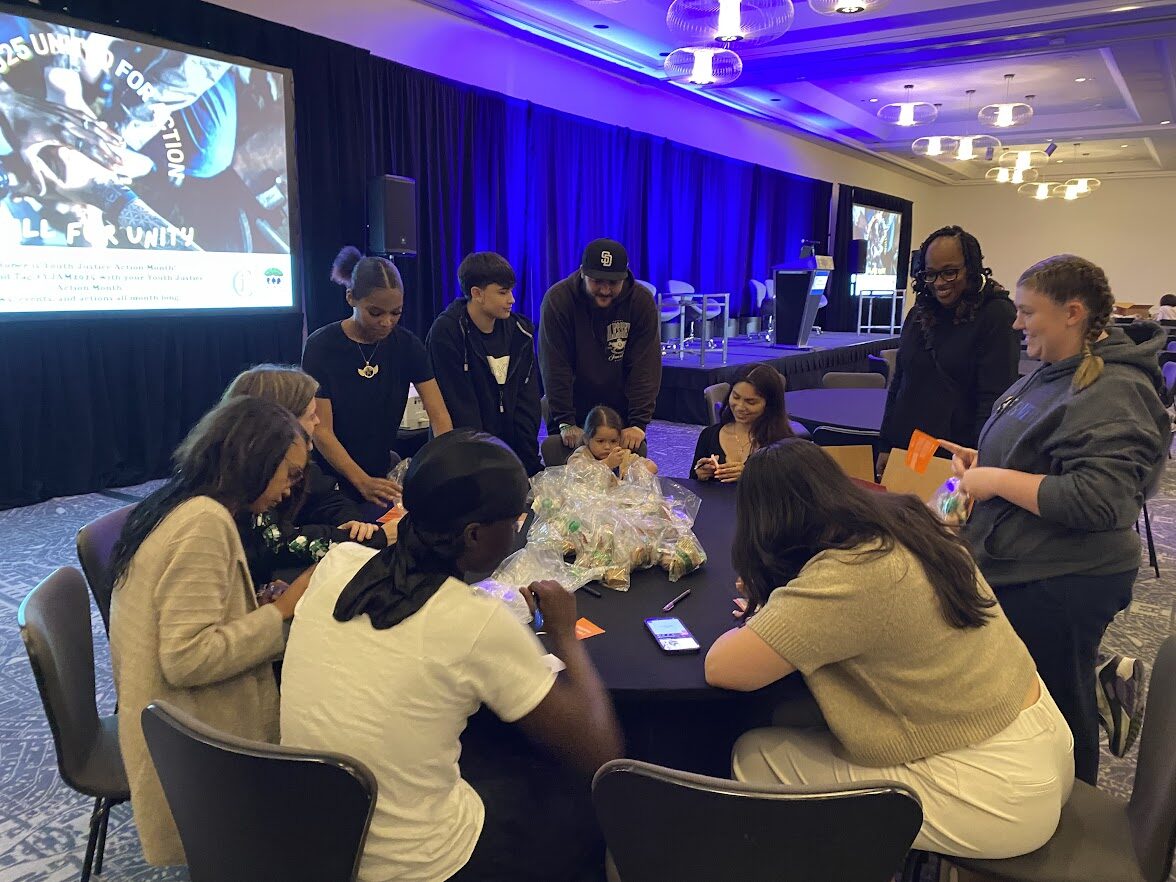
At the Coalition for Juvenile Justice (CJJ), connection is more than a core value; it is the foundation of how we strengthen the juvenile justice field nationwide. Our membership network brings together leaders, practitioners, and young people from states, territories, and tribal jurisdictions, creating a vibrant community where knowledge, experience, and innovation move freely. Through CJJ’s communication channels with an audience of more than 20,000 people, including our Juvenile Justice Monthly Monitor, we serve as a bridge that helps members learn from one another and access the tools they need to drive change. By elevating member voices and facilitating connections across geographic and professional boundaries, CJJ fosters a reciprocal ecosystem of support. Members don’t just connect within the CJJ network—they extend those connections outward, strengthening collaboration across agencies, communities, and systems.
Collaboration
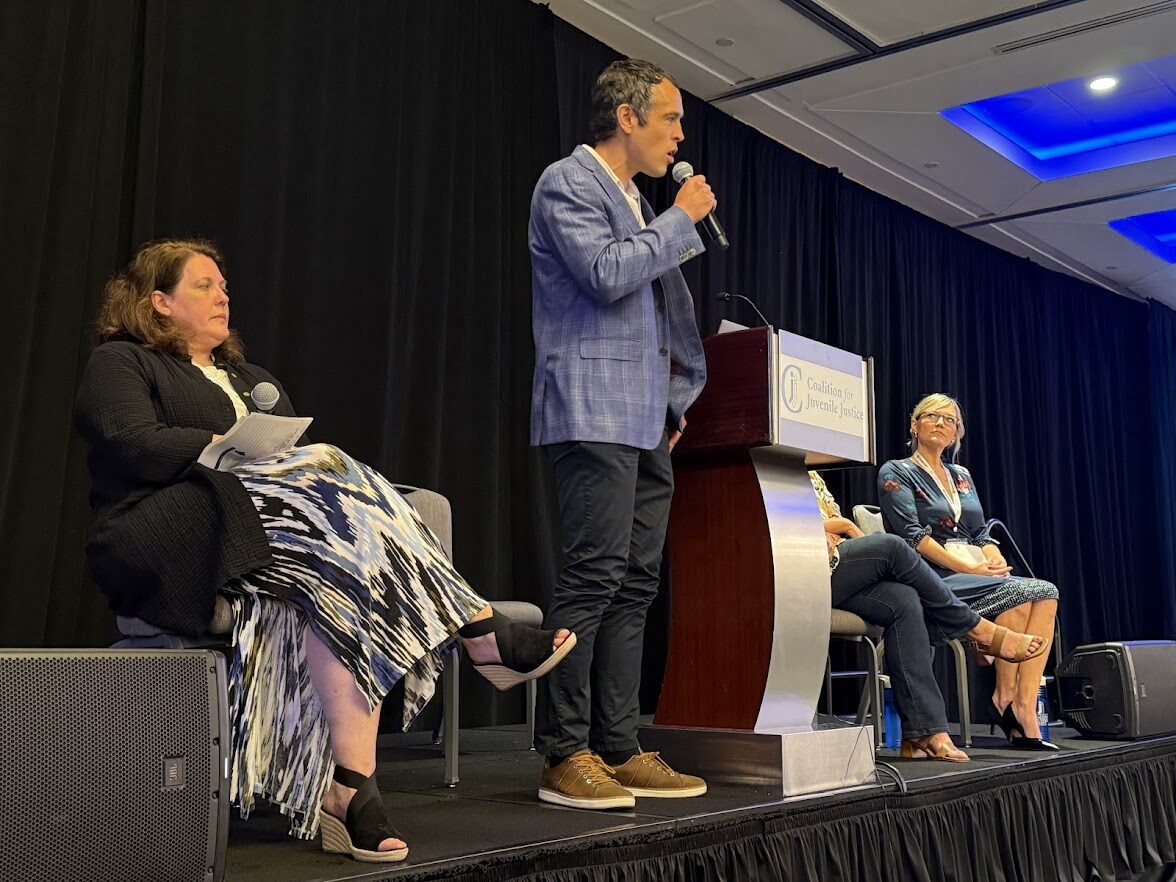
We actively engage a wide range of partners, including state and territory leaders, national organizations, youth and families, researchers, practitioners, federal agencies, and community-based advocates, to strengthen and transform the juvenile justice landscape. Through these partnerships, CJJ co-develops and co-hosts webinars, toolkits, publications, and conference presentations that center diverse expertise and lived experiences. By aligning efforts across sectors and uplifting shared knowledge, we break down silos and create opportunities for meaningful, solution-focused dialogue. Our collaborative approach ensures that resources, innovations, and best practices are shaped collectively and made accessible to the full CJJ network.
Action
Action is more than an aspiration; it is a driving force behind our goal of building evidence-based and community rooted continuums of care. We turn insight into impact by equipping our members with practical tools, timely research, and evidence-informed strategies they can put into practice in their states and communities. Through policy guidance, training, advocacy, and youth-led leadership, CJJ supports members in moving from ideas to implementation. Whether advancing reforms under the Juvenile Justice Delinquency and Prevention Act (JJDPA), expanding community-based alternatives, or elevating youth and family voices, CJJ empowers the field to take meaningful, coordinated action that leads to lasting change. By acting together, we strengthen our collective ability to protect youth, reduce disparities, and transform a juvenile justice system rooted in youth, truth, and community—while building pathways to safety, accountability, and justice.
Connecting, Educating, and Advocating as a Coalition
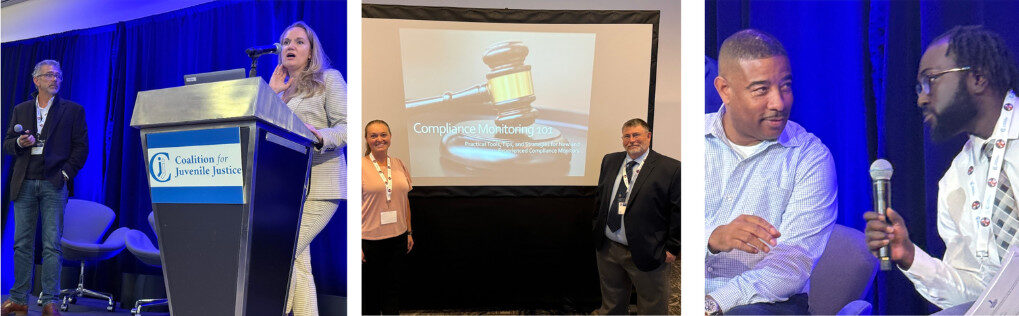
At the heart of this work are State Advisory Groups (SAGs), which lead efforts to strengthen and improve youth justice systems at the state and local levels. This year, CJJ served 49 states and territories, providing technical assistance, guidance, and resources to help SAGs coordinate policies, engage stakeholders, and implement programs that support youth in their communities. Through their CJJ membership, SAGs access tools, best practices, and collaborative opportunities that create a safe space for sharing resources, ensuring systems are in compliance with the Juvenile Justice and Delinquency Prevention Act (JJDPA), upholding standards of care for youth who are incarcerated, and developing and implementing strategies to prevent delinquency in local communities. This year, our operating committees played a key role in activating these efforts: the Government Relations Committee (GRC) hosted three new webinars with accompanying resources, Juvenile Justice Specialists facilitated a three-part training series, Racial and Ethnic Disparities (R/ED) Coordinators and Ethnic Cultural Diversity Committee (ECD) supported Youth Justice in Action Conference Planning and Execution, and Compliance Monitors presented a dedicated session at the Youth Justice in Action Conference—creating meaningful opportunities for shared learning, peer exchange, and field-wide impact. By facilitating these connections, CJJ promotes system accountability, amplifies youth voices, and ensures initiatives are informed by data and lived experience. Ultimately, the work of SAGs and state agencies together demonstrates how coordinated, statewide leadership can translate knowledge and resources into meaningful change—advancing positive outcomes for youth nationwide.
What This Work Looks Like
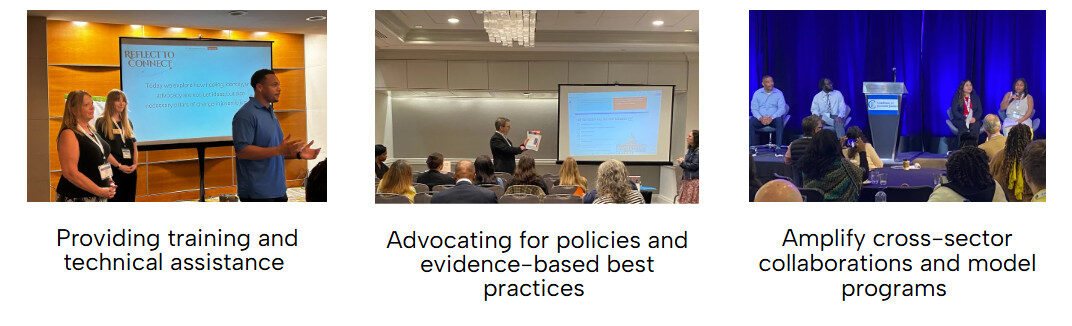
Providing training and technical assistance CJJ has supported many states and territories at their request, offering guidance and assistance in navigating challenges, addressing concerns, and adapting to possible changes in their state plans. We created an Emergency Plan for States, ensuring that juvenile justice systems remain prepared, resilient, and responsive during crises. Our guidance includes recommended action items and guiding questions for Designated State Agencies (DSA) to consider when drafting an emergency plan, particularly in preparation for potential disruptions in federal funding.
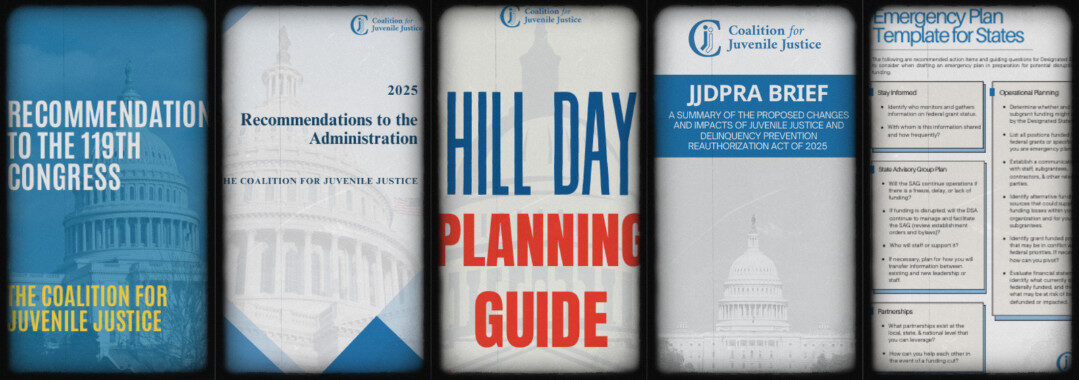
Advocating for policies and evidence-based best practices CJJ equipped advocates with the tools, guidance, and policy insights needed to advance meaningful juvenile justice reform at the federal level. Our resources including advocacy Recommendations to the 119th Congress, the 2025 Hill Day Planning Guide, key federal updates and their implications for juvenile justice advocates, 2025 recommendations to the Administration, and the JJRA Summary Brief—provide evidence-based guidance and actionable strategies for engaging policymakers. By translating research, best practices, and system expertise into practical advocacy tools, CJJ ensures that members and partners are prepared to influence policy, elevate youth-centered solutions, and promote safer, more equitable outcomes nationwide.
Amplify cross-sector collaborations and model programs CJJ’s recent webinar series showcased the importance of collaboration across youth-serving systems and uplifted innovative, research-informed, and community-driven models that improve outcomes for young people. These sessions brought together national experts, practitioners, system leaders, researchers, youth with lived experience, and community-based organizations to share strategies, tools, and insights that advance safety, accountability, and justice.
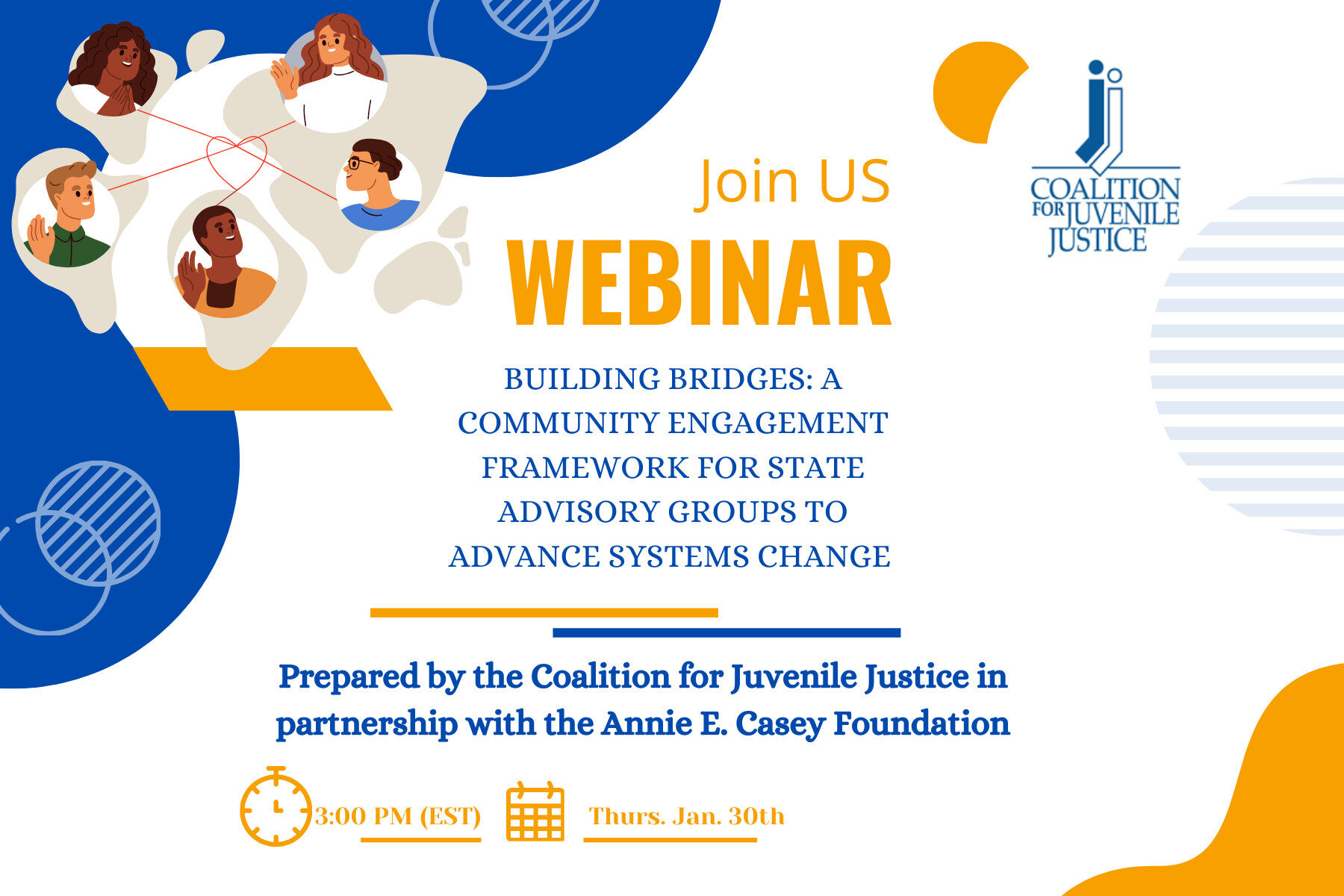
The series began with Building Bridges: A Community Engagement Framework for State Advisory Groups, which introduced CJJ’s new toolkit designed to help SAGs mobilize communities. Presenters detailed approaches to data sharing, asset mapping, and collaborative problem-solving that strengthen partnerships and drive sustainable systems change.
In partnership with The Huntington Learning Center a webinar entitled, Academic Adversity and Justice System Involvement, explored the reciprocal relationship between unmet educational needs and system contact, highlighting evidence-based instructional support and strategies for leveraging school, community, and justice partnerships. The session underscored how education systems can prevent deeper involvement and promote positive youth development.

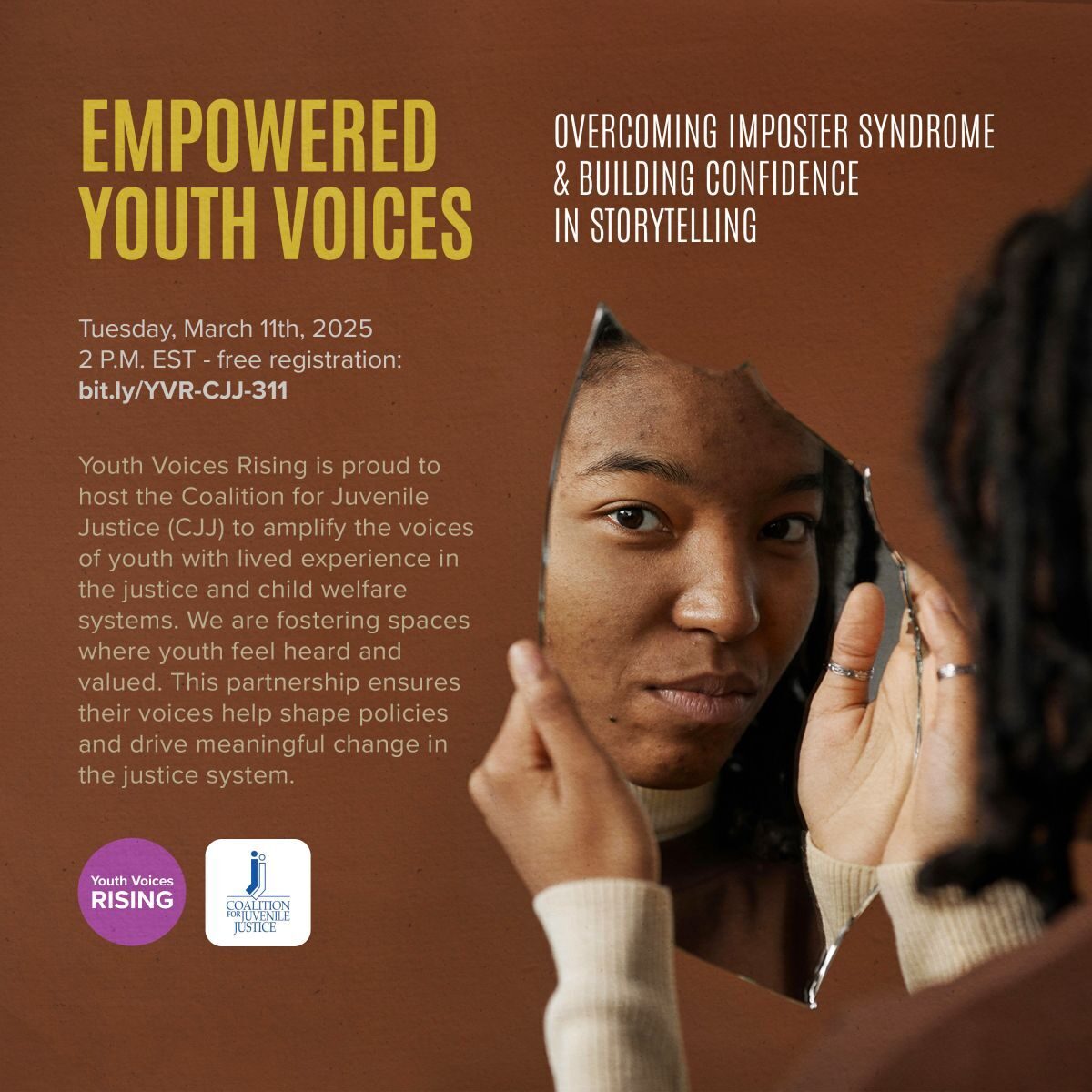
CJJ also partnered with Youth Voices Rising to host Empowered Youth Voices: Overcoming Imposter Syndrome and Building Confidence in Storytelling, centering youth with lived experience and strengthening their capacity to influence policy. This webinar emphasized storytelling as a tool for advocacy, healing, and system transformation.
CJJ partnered with The Sentencing Project. In Federal Reports Show Path to Youth Justice Reform, presenters from The Sentencing Project, former OJJDP leadership and advisors, and system experts discussed the latest federal publications on national reform efforts. This session celebrated the Coordinating Council on Juvenile Justice and Delinquency Prevention Reports to the White House and Congress and explored how the Continuum of Care Model, system standards, federal data, and policy and practice trends can guide states toward more evidence-based and developmentally appropriate strategies to improve youth outcomes.
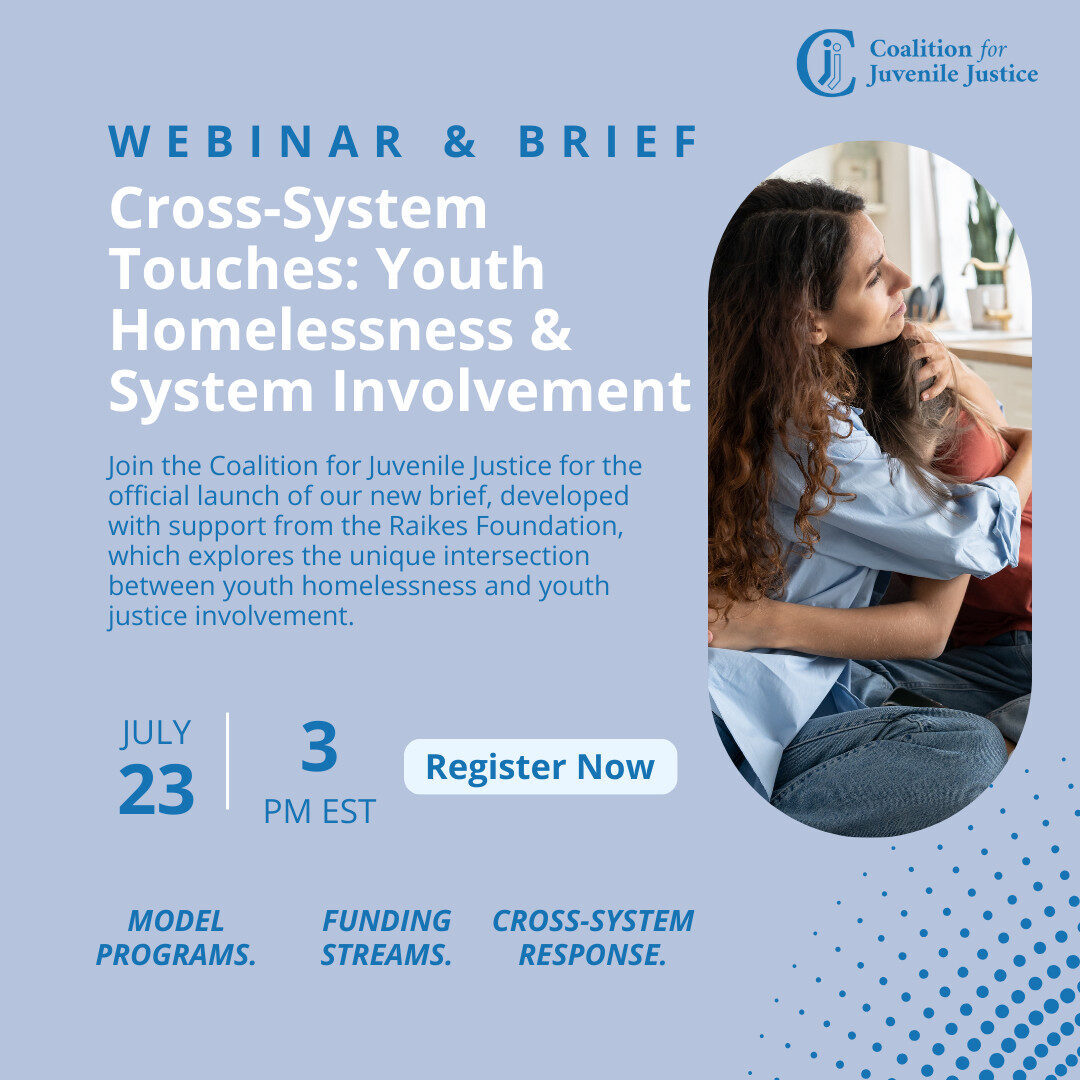
The series concluded with Cross-System Touches: Youth Homelessness & System Involvement, which marked the launch of CJJ’s new brief examining the intersections of youth homelessness and justice involvement. Panelists highlighted root causes, the role of the McKinney-Vento Act, model prevention programs, aligned federal initiatives and funding streams, and opportunities for State Advisory Groups and practitioners to strengthen cross-sector housing-justice partnerships.
Impact and Achievements
CJJ expands its reach by connecting youth, members, and partners beyond our immediate network, creating opportunities for collaboration, learning, and meaningful impact across the juvenile justice field. Members access tools, guidance, and resources that support youth justice professionals and organizations in implementing best practices within their communities. By recruiting and supporting the Emerging Leaders Committee members, amplifying youth voice, and fostering collaboration at our annual convenings, CJJ strengthens existing partnerships and cultivates new ones, building a national network of advocates and allies. These efforts not only increase the flow of knowledge and resources but also help ensure that communities and systems are better equipped to advance equity, uphold standards of care, and create safe, supportive environments for youth. By connecting voices, expertise, and experience, CJJ drives systemic change and empowers young people and advocates to shape the future of juvenile justice.
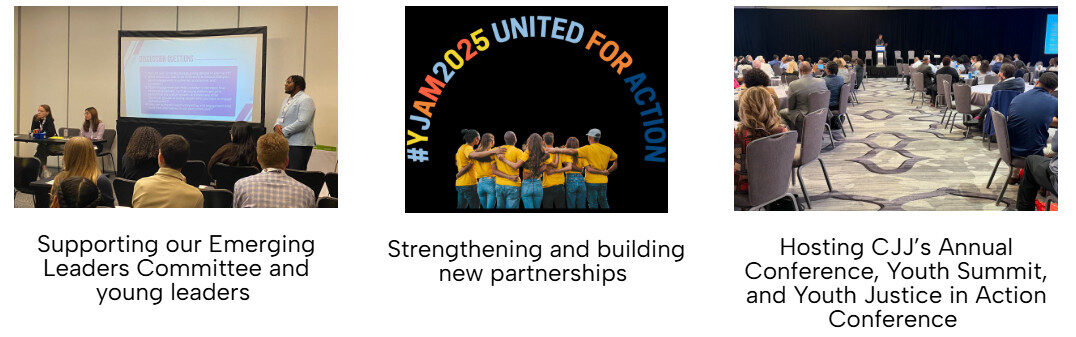
Supporting our Emerging Leaders Committee and young leaders The Emerging Leaders Committee (ELC) strengthened our targeted messaging strategy this year, significantly increasing its public and online presence and expanding its reach to youth, CJJ members, and new donors. With a focus on elevating youth voices and mobilizing support, the ELC launched impactful advocacy initiatives—including petitions, letters of support, and direct engagement with state officials and congressional leaders in Washington state. These efforts not only amplified youth-led perspectives but also helped drive meaningful policy conversations and direct change for system impacted youth.
- The ELC also launched a Youth Scholarship Campaign, raising over $7,000 to sponsor four young people from across the country to attend our Annual Conference. This initiative expanded access to the conference and supported the professional development of emerging youth advocates by providing them with opportunities for learning, networking, and leadership growth.
- The ELC played a key role in cultivating a strong, interconnected network of youth advocates nationwide. Through mentorship, peer support, and strategic relationship-building, the ELC helped young leaders deepen their engagement in juvenile justice reform efforts. These connections facilitated stronger relationships between SAGs and youth, ensuring that youth perspectives continue to shape state-level decision-making and drive meaningful, youth-centered change.
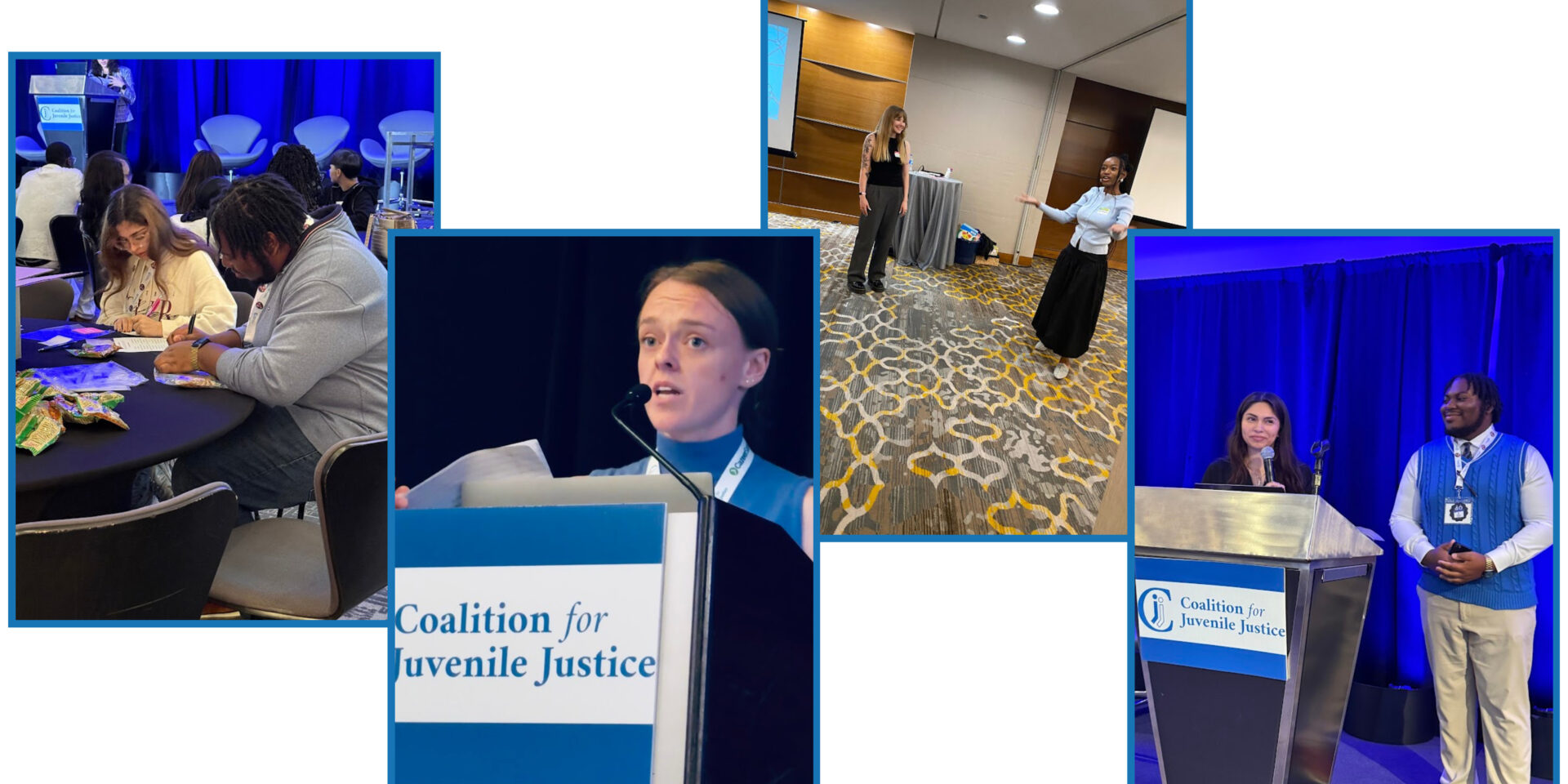
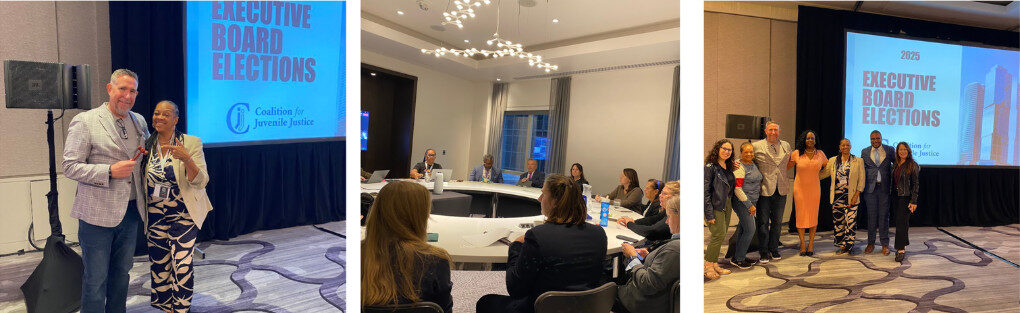
Strengthening and building new partnerships At CJJ, we have worked intentionally this year to strengthen and build new partnerships that deepen our impact and expand our reach across the youth justice field. We increased memberships across all categories—including a 15% rise in State Advisory Group memberships—which reflects growing trust in our work and the value of our national leadership as a Coalition. Our Executive Board also expanded its outreach, helping to bolster fundraising efforts and advance CJJ’s strategic priorities.
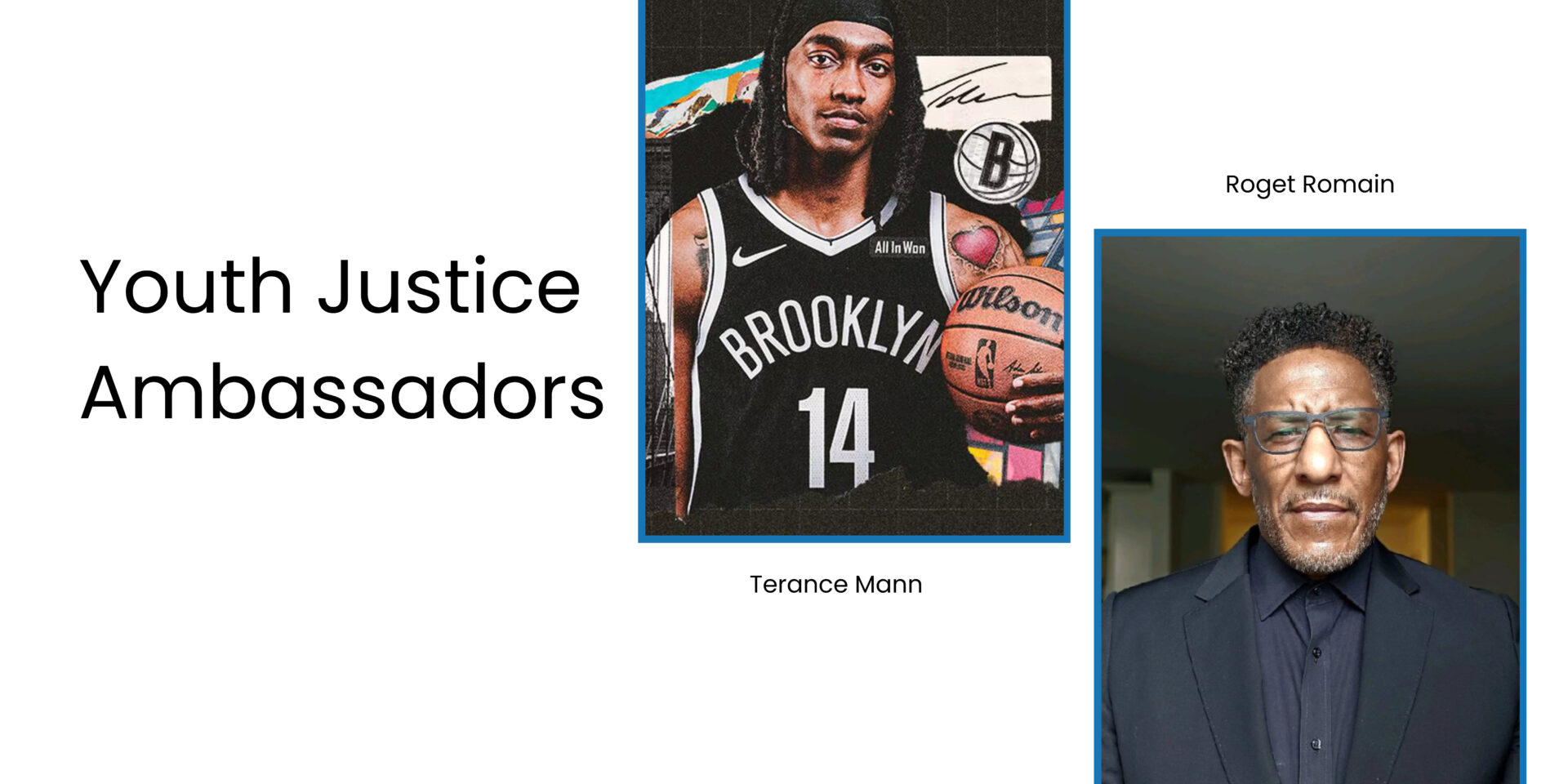
- We launched our Youth Justice Ambassadors Program (Friends and Advisors of the Board), creating new avenues for engagement and partnership. Our leadership and broader community demonstrated strong internal support for Youth Justice Action Month (YJAM), bringing together board members, partners, the Act4JJ Coalition, and Ambassadors to elevate shared themes and messages throughout October.
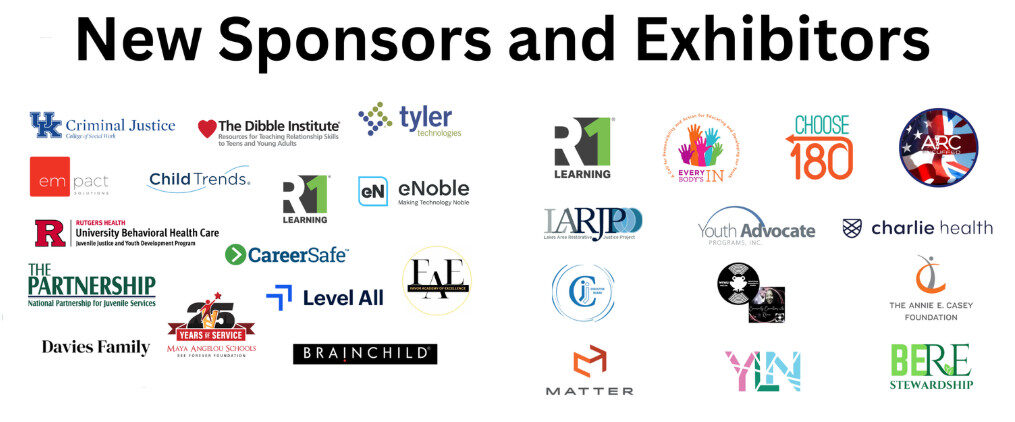
- This year, we renewed and expanded our funding opportunities by connecting with foundations and applying for diverse grants. We also grew our conference community, welcoming 28 new sponsors and exhibitors while continuing to retain returning partners. We filled vacant Board seats, introduced a spotlight series to highlight the contributions of members, community leaders, state agency staff, and youth, and we strengthened our relationships with Congressional offices and the Administration to advance youth justice education and advocacy on behalf of our members. We are grateful for the steadfast support of our core foundation partners—the Tow Foundation, the Raikes Foundation, and the Annie E. Casey Foundation—whose commitment and guidance strengthen CJJ’s work to advance youth justice and opportunity for all young people.
Through these efforts, we continued to grow a collaborative, connected, and forward-moving network—one that is equipped to drive meaningful change for youth and families nationwide.
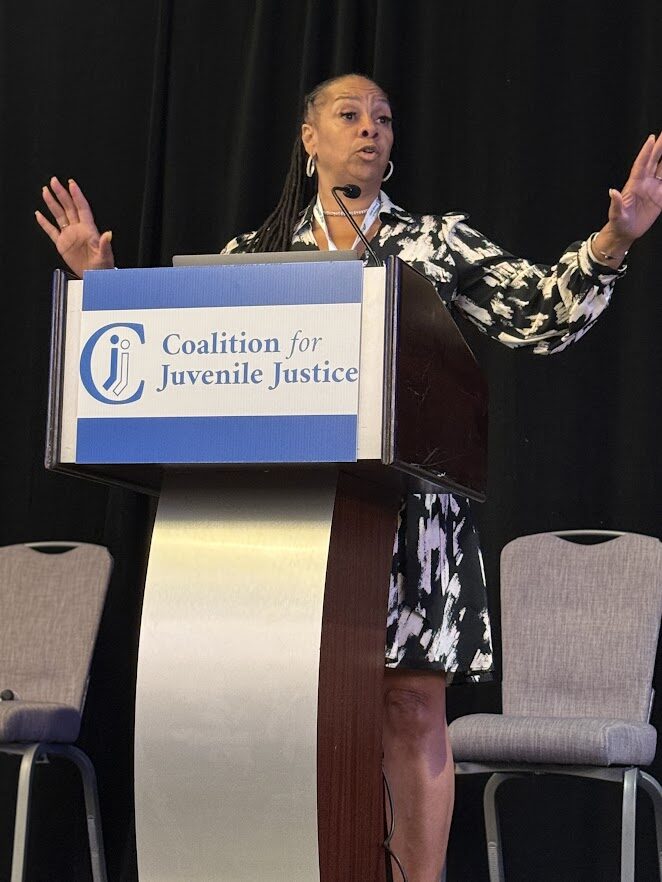
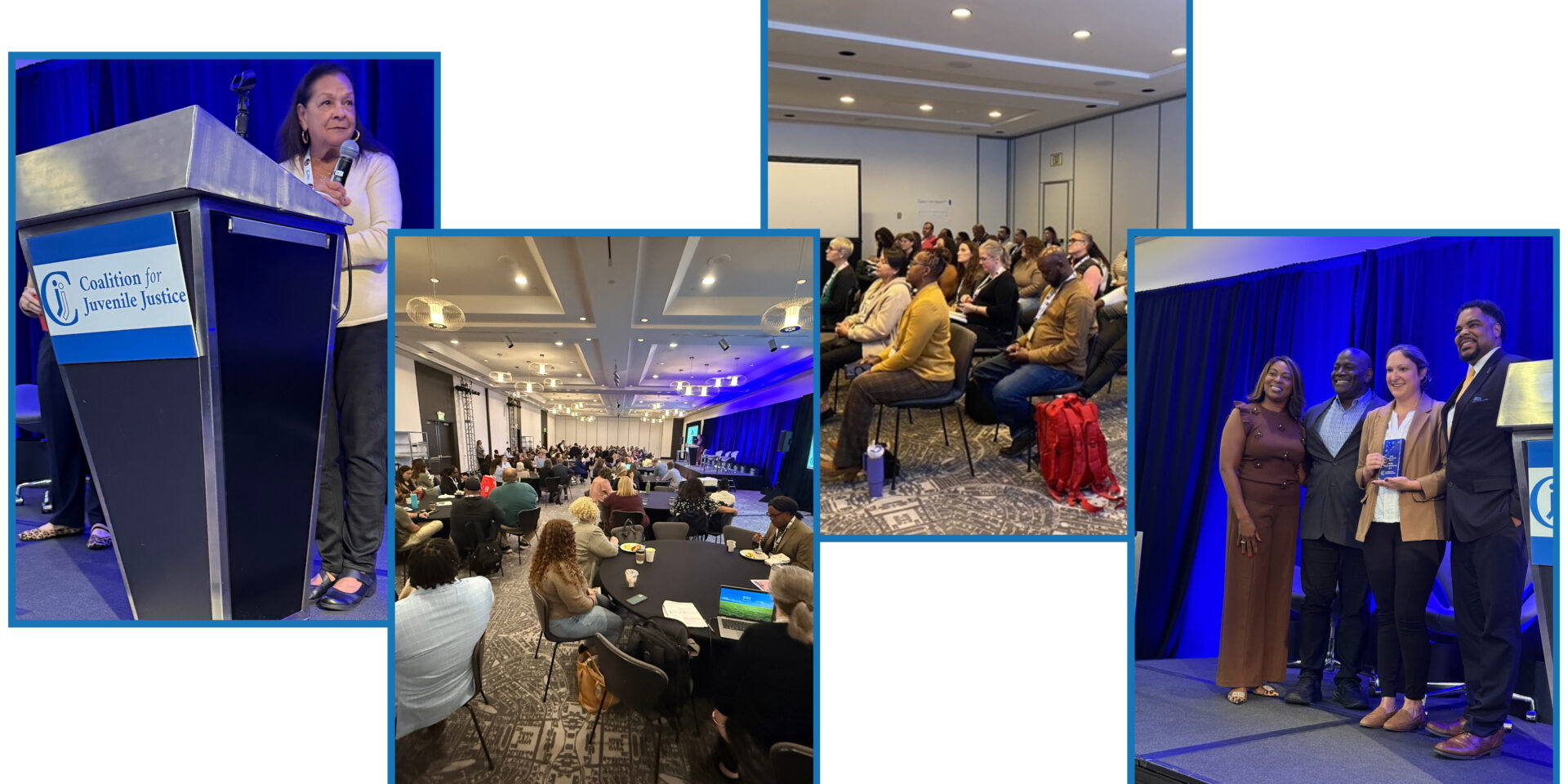
Hosting CJJ’s Annual Conference, Youth Summit, and Youth Justice in Action Conference This year, CJJ was proud to host two national gatherings that brought our network together to learn, connect, and build momentum for youth justice transformation. Our Annual Conference, “Stronger Together: Building Collective Momentum for Youth Justice,” welcomed more than 350 attendees from across the country. Leaders, practitioners, advocates, youth, and families came together to explore new strategies, share model programs, and strengthen partnerships that move our field forward. At the conference, the ELC hosted a dedicated Youth Summit track, themed “Together We Climb: Young People Shaping Our Communities and Futures.” Through this summit, ELC members created space for young leaders to connect, strengthen their advocacy skills, enhance their knowledge of youth justice issues, and articulate a shared vision for community-driven change.
We also convened more than 200 participants at our Youth Justice in Action Conference, “Growing Together: Systems Rooted in Youth, Truth, and Community.” Youth and young adults, whose lived experiences remain at the center of our work, shared their stories, insights, and calls to action. Together with system partners, academics, researchers, and community leaders, attendees explored what it means to build systems grounded in healing, accountability, and community wisdom.
Both convenings demonstrated the power of collective learning and collaboration, reinforcing that meaningful youth justice reform happens when we grow, build, and take action together.
Looking Ahead
Looking ahead, CJJ is focused on strengthening our role as a connector, collaborator, and leader in the youth justice field. We will continue to elevate the work of our Youth Justice Ambassadors and Emerging Leaders and deepen community building and resource sharing within our committees, ensuring members have spaces to learn, contribute, and grow together. CJJ will also expand key partner collaborations, intentionally considering where and how we want to show up for partners, and identifying the most meaningful ways to support the field.
Initiatives in the Works for 2026
- Launching targeted technical assistance opportunities and resources
- Launching the Organizational Committee’s Back-to-Basics paper series on evidence-based practices for JJDPA implementation
- Introducing the 2026 ELC Cohort
- Expanding our Youth Justice Ambassadors Program
- Conferences that focus on collective impact and building strong continuums of care
- Advancing JJDPA Reauthorization education and advocacy efforts
Please check out our 2025 Strategic Storytelling presentation here.
Please check out our 2025 Peer-to Peer Support Connections Conducted by CJJ here.